
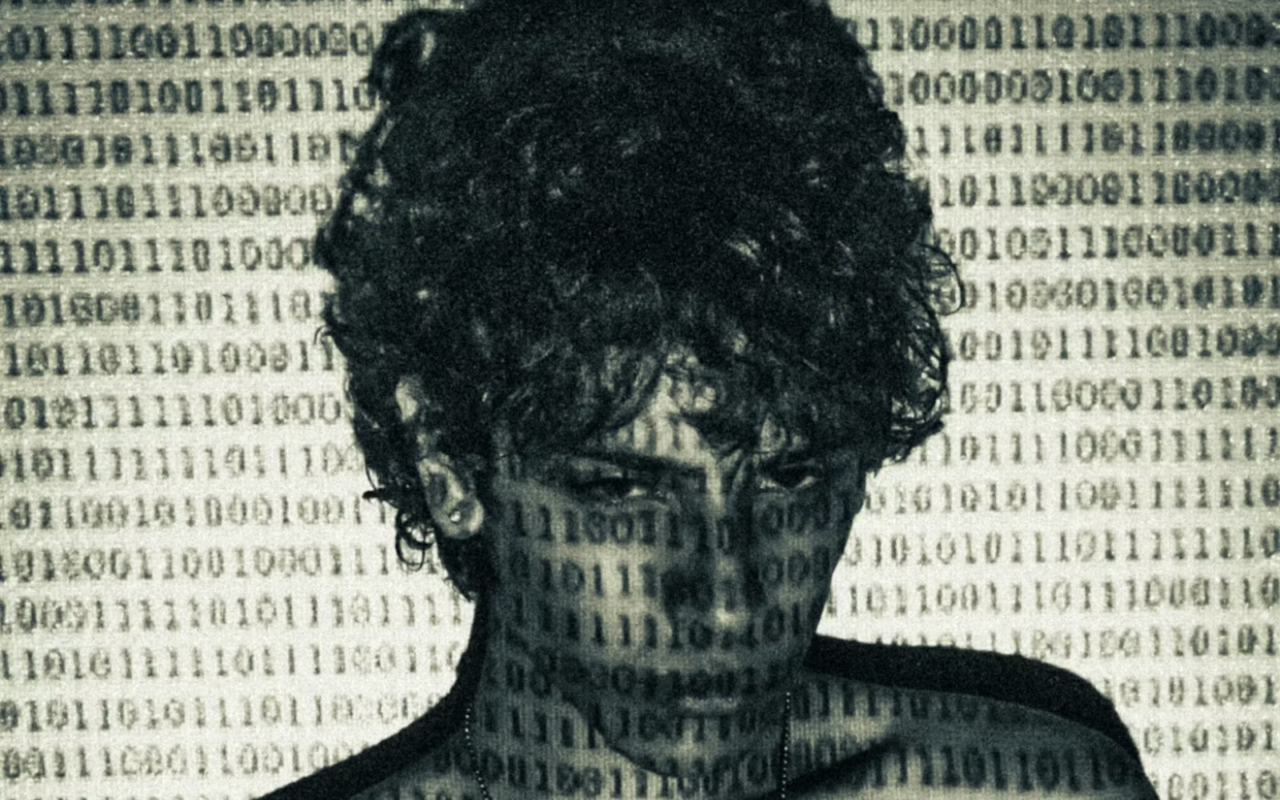
Racism is adapting to modern technology with systemic forms of prejudice embedded in digital algorithms. It’s called techno-racism, which means the search results aren’t promising.
Because human-generated training data is often skewed and shaped by exclusion, systems unintentionally discriminate in critical areas like facial recognition, healthcare, employment, and lending. In the case of lending, for example, financial and housing algorithms treat structural inequities as personal risk factors.
They may use proxy variables like zip codes or internet behavior to deny or upcharge for credit, loans, and housing. This is digital redlining.
When algorithmic models are trained on historical data, they inadvertently treat the symptoms of systemic inequality, like residential segregation, as valid predictors of risk, perpetuating the very discrimination they are supposed to neutralize. When AI models are trained on past data, they learn the statistical patterns of historical discrimination rather than objective reality. These algorithms often use variables that function as proxies for race, effectively punishing marginalized groups for the very inequalities they endure.
The same is true of “predictive policing” and facial recognition software. Prejudice is automated. Digital algorithms rely on shortcuts, grouping people into categories and automatically absorbing societal stereotypes.
But the impact is not only social and criminal; it also negatively affects the mental health of minoritized communities. The automation of bias and constant exposure to online discrimination can exacerbate anxiety, depression, and collective trauma. Persons can feel trapped in a feedback loop that amplifies harmful stereotypes.
Consequently, for all the tech-industry hype, AI will not cure discrimination or xenophobia. Artificial intelligence will not make us safer, make us friends or better neighbors.
“That new tools are coded in old biases is surprising only if we equate technological innovation with social progress,” Ruha Benjamin explained in Race After Technology: Abolitionist Tools for the New Jim Code. Plainly, systemic social inequalities cannot be solved by software.
“Zeros and ones, if we are not careful, could deepen the divides between haves and have-nots, between the deserving and the undeserving – rusty value judgments embedded in shiny new systems,” Ruha Benjamin wrote. Algorithmic systems and artificial intelligence frequently codify and automate historical prejudices, ultimately masking human biases behind a veneer of mathematical objectivity. The “new Jim Code” employs new technologies (the “zeros and ones”) to enforce racialized social hierarchies, while masking this discrimination as a mathematical pattern.
“Artificial intelligence will become a major human rights issue in the twenty-first century,” Dr. Safiya Umoja Noble predicted in Algorithms of Oppression: How Search Engines Reinforce Racism. “Algorithmic oppression is not just a glitch in the system but, rather, is fundamental to the operating system of the web.” So, protection from AI is needed.
The algorithm is biased, and the internet is not a democracy. All voices, perspectives and experiences are not equally and fairly represented.
Instead, Noble pointed out: “Where men shape technology, they shape it to the exclusion of women, especially Black women.” Naming the intersectionality of these oppressions is critical. AI has what Chimamanda Ngozi Adichie called “a single story problem.”
Hala Hanna wrote in “AI has a single story problem”: “We’re being sold a peculiar future. The story goes like this: Build larger frontier AI models, put them everywhere, make them do everything. Cover the planet (and then space) with data centers. In this dystopian future, we are burning barrels of fuel to micro-dose on dopamine from synthetic intimacy.”
AI has not and will not bring us closer together. Instead, we will continue to connect on screen, exchanging memes and talking through AI-generated avatars.
This will push us further away from our shared reality and lived experience. The point is to control our reality.
AI does not model a shared future but a dictated one based on deeply flawed, one-sided, and therefore flattened information. Its future is spoken of as inevitable, the natural and next best thing for human beings.
Instead, it should be viewed as an option among many, which we are free to opt out of. Or there won’t be a future to speak of because we’ll be trapped in the false binary of zeroes and ones.
- About the Author
- Latest Posts

Director of The Raceless Gospel Initiative, an associate editor, host of the Good Faith Media podcast, “The Raceless Gospel” and author of Take Me to the Water: The Raceless Gospel as Baptismal Pedagogy for a Desegregated Church.