

The alleged group sexual assault of a female Cornell University student by seven members of the Chi Phi fraternity is a cruel example of masculinity as performance, complete with an announcement in the fraternity’s Snapchat group chat: “free p–ssy.” It is “cultural theater” with the woman serving as a “dramatic prop,” according to Karen Franklin, a forensic psychologist, who has studied multiple-perpetrator sexual violence and group dynamics.
Because certain group crimes are less about the victim and more about the dynamics, power structures, and bonding rituals among the perpetrators themselves. Consequently, the primary audience is not the public.
Instead, the sexual violence acts as a stage where individuals perform to earn the approval of their peers. In her paper “Enacting Masculinity: Antigay Violence and Group Rape as Participatory Theater,” Franklin argues that group-perpetrated crimes are often less about sexual gratification and more about peer bonding, status and proving masculinity to other men.
This Cornell rape case also underscores the pressure young men face to choose peer solidarity over personal integrity. It illustrates how fear of social exclusion can override ethical responsibility.
The group chat and this male peer network normalized and minimized harmful behavior, transforming the forced sexual act into a shared, distorted performance of masculinity. Speaking up would have been treated as an interruption of the show, leaving him with no other choice but to leave the group.
But this is not just a failure of individual restraint, but evidence of a broader crisis where young men are often taught what not to do rather than how to actively intervene and protect others. The “Cornel 57” includes all the members of the fraternity’s Snapchat group chat to whom a message was reportedly sent.
The message was both an invitation to and a representation of the alleged rapists’ enablers. As more details have emerged, the outrage and demand for systemic change to ensure the protection of women has increased.
However, I would argue that it is not only systems but scripts that need to be changed. The script for boys frames aggressive or entitled behavior as an innate, unchangeable biological trait rather than a learned social behavior, removing accountability from the aggressor. Patriarchal constructs tie male identity to dominance, control, and aggression.
Traditional or toxic masculinity also enforces rigid rules. “Toughen up. Be a man. Boys don’t cry.”
Toughness, emotional restriction, perceived hypersexuality, and dominance can encourage sexual entitlement. Men and boys often face intense pressure from peers to prove their virility, sexual conquest, and physical dominance, which can normalize non-consensual behavior as a sign of manhood.
Physical dominance is sometimes celebrated as strength rather than a boundary violation. Viewing sexual encounters as “conquests” or status symbols shifts the focus away from mutual respect and clear communication. Still, he is rewarded with high fives and pats on the back.
The script for girls conditions them to accept this detrimental perception and behavior as normal. As a child, I grew up hearing, “If he hits you, then he likes you.”
This reframing of physical violence began on the playground. “Boys will be boys,” which means that girls can never be girls.
Instead, they are prematurely sexualized and objectified, treated as receptacles for male desire. Because it has to go somewhere, right?
But cultural scripts often trivialize assault and describe aggressive pursuit as romantic, normal even. These scripts reinforce a culture of violent and non-violent coercion, subjection and compliance.
Everyday language and media depictions often reduce girls and women to body parts or possessions. This dehumanization, wherein they are treated as instruments or symbols used to communicate male power and status, makes it easier to dismiss their autonomy and consent.
This is why broader definitions of masculinity are needed. Scripts must be replaced with the lived experiences of men who exhibit courage, protectiveness, empathy, collaboration and overall emotional health rather than subjugation or abuse.
Further, there are “multiple masculinities” as explained by sociologist R.W. Connell, which means there is no single, universal way to be a man. Instead, manliness and male identity are diverse, shifting, and shaped by culture, history, and individual experience.
Unfortunately for Jane Doe, none of those other versions of manhood showed up for her. Instead, those men all chose to perform masculinity.
- About the Author
- Latest Posts
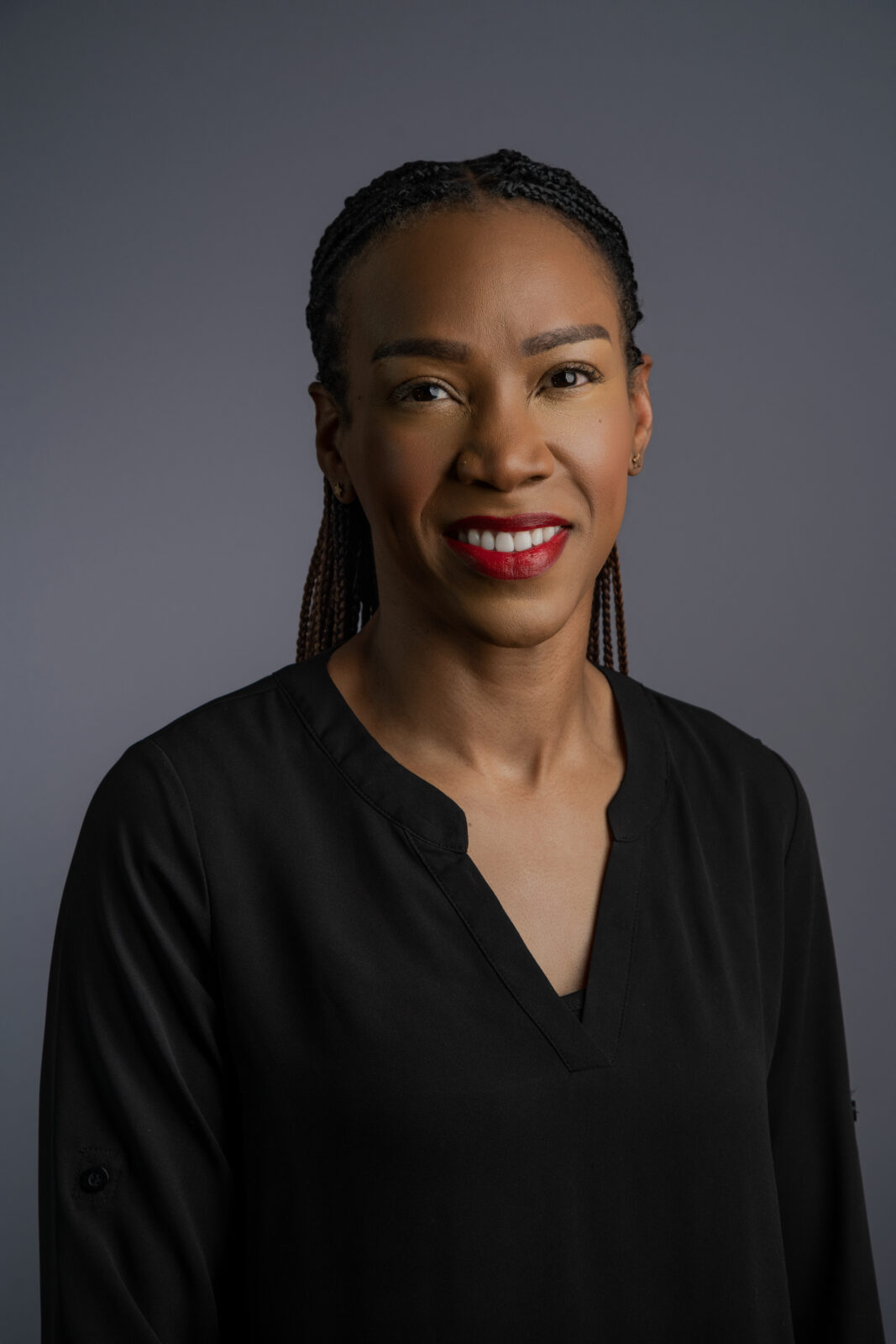
Director of The Raceless Gospel Initiative, an associate editor, host of the Good Faith Media podcast, “The Raceless Gospel” and author of Take Me to the Water: The Raceless Gospel as Baptismal Pedagogy for a Desegregated Church.