
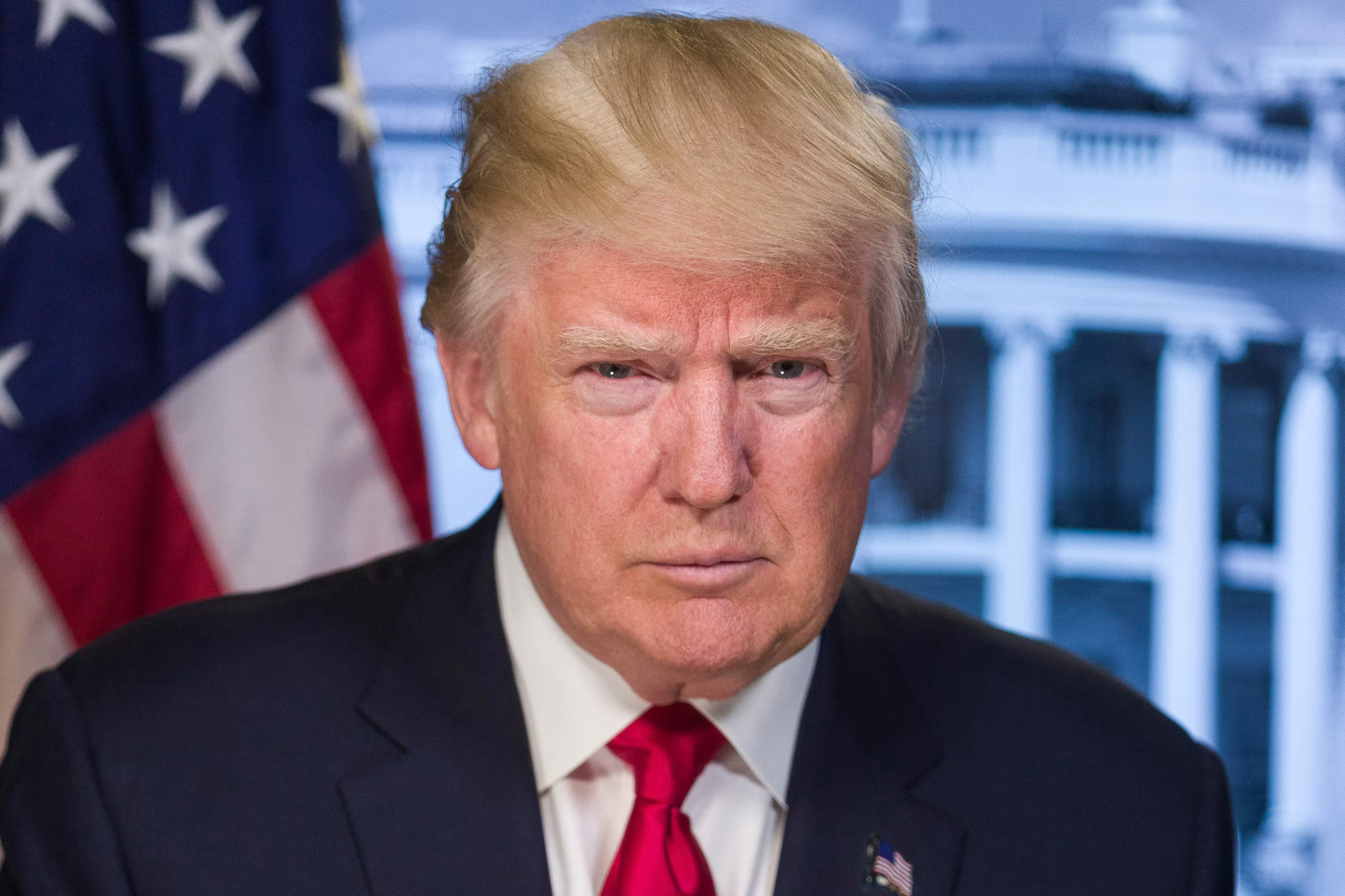
The “divine mandate” narrative surrounding Donald Trump is facing a complex moment of political reality as the November 2026 midterm election results have delivered a major shift in political power. With Republicans losing the House and the Senate, where is the hand of God now?
Many in the MAGA movement separate Trump’s personal divine protection from the broader Republican establishment. While exit polls and early analyses indicate a widespread voter rebuke tied to concerns over the economy, inflation, and the war with Iran, his supporters blame institutional GOP failures or specific policy decisions rather than questioning Trump’s leadership. This aligns with Trump’s own messaging, where he has historically positioned himself as a singular figure carrying the movement.
“Pretend I’m on the ballot,” Trump said. American voters did and he lost. In fact, Trump’s endorsement of candidates resulted in dozens of losses for the Republican Party.
For a leader whose appeal is deeply tied to fighting an entrenched establishment, a sweeping institutional defeat paradoxically validates his followers’ core premise. The loss is framed as evidence of how powerful and unyielding the opposition is, which reinforces the necessity of the leader’s ongoing struggle. In short, it validates Trump’s “outsider” status.
The midterm results drastically reorganize the legislative landscape in Washington, D.C. and leave the Republican Party searching for a path forward. Still, the narrative of Trump as a divinely protected outsider is highly resilient. It is built to absorb political losses by redefining them as spiritual trials rather than conventional democratic defeats.
Following the July 13, 2024 assassination attempt in Butler, Pennsylvania, which grazed his ear and killed attendee Corey Comperatore, Trump repeated the sentiment that he was preserved for a specific national mission. Trump said God spared his life to “restore America to greatness.”
Many conservative Christians view Trump as a divine instrument raised up “for such a time as this” to protect religious liberty, oppose progressive policies, and appoint conservative judges. They, along with Christian nationalist groups, have adopted the narrative that Trump is protected and chosen for a providential purpose. However, such messaging fosters messianic framing around his leadership.
Also, when a political movement infuses its identity with religious significance, the metrics of evaluation fundamentally change. Political setbacks are rarely interpreted as a failure of divine favor.
Instead, a common narrative posits Trump’s losses as spiritual warfare or persecution. Electoral losses are often framed as a “test of faith” or proof of a corrupt, existential opposition actively working against a divine plan. For these voters, the narrative serves to reinforce a sense of mission to restore traditional religious and cultural principles within public institutions.
And if none of this works, then it is just a matter of divine timing. A prominent theme in charismatic political messaging is that God remains in absolute control regardless of immediate political outcomes. Setbacks are characterized as temporary deviations before an ultimate victory.
This framing also creates a highly resilient psychological buffer. When electoral outcomes are viewed as part of a larger, transcendent narrative, short-term losses do not signal a structural failure of the movement. They are simply chapters in a broader, pre-ordained struggle that will ultimately end in vindication.
In the past, Trump has been compared to flawed biblical figures like King Cyrus, a pagan leader chosen by God to protect and liberate believers or King David, an adulterer who is also “a man after God’s own heart.” Both men were handpicked by God and anointed for a specific leadership role.
However, the blending of messianic tropes with partisan politics is idolatrous. The merging of political loyalty with religious faith is blasphemous. Elevating a secular leader to a status of divine appointment mirrors historic heresies.
The dynamic damages the moral credibility of religious institutions and yet, the MAGA supporters remain faithful. Though constitutionally barred from seeking a third term under the 22nd Amendment, they believe he can run for president in 2028 and have vowed to vote for him, as this is only a test of their faith.
- About the Author
- Latest Posts

Director of The Raceless Gospel Initiative, an associate editor, host of the Good Faith Media podcast, “The Raceless Gospel” and author of Take Me to the Water: The Raceless Gospel as Baptismal Pedagogy for a Desegregated Church.